The Art of Glass Packaging: Elevating Your Brand Through Premium Glass Bottles
The science of glass packaging offers brands a distinctive pathway to stand out. By embracing sustainable methods, glass bottles elevate brand aesthetics and connect with sustainability-minded shoppers. Their inherent qualities, including recyclability and chemical safety, signify a commitment to quality. As organizations traverse this shifting terrain, understanding the multifaceted benefits and challenges of glass packaging becomes essential for long-term success. What innovative strategies are brands employing to maximize these advantages?
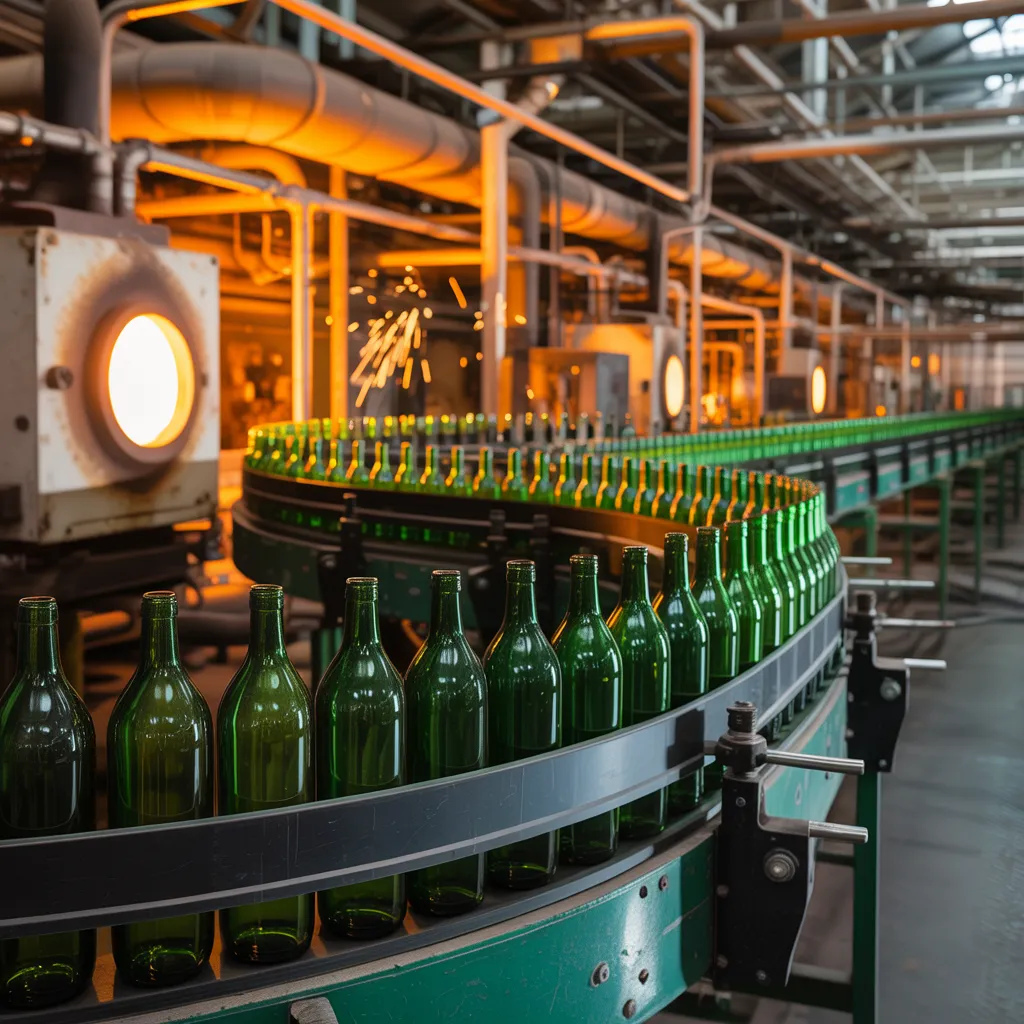
The Benefits of Choosing Glass Packaging for Your Brand
Selecting glass as a packaging material can significantly improve a brand's image and environmental initiatives. Businesses that select glass demonstrate a dedication to excellence and exceptional product encounters, resonating with sophisticated customers who value both visual and practical qualities. Glass offers a enduring and sophisticated look, contributing to a brand's visual identity while providing a sensory experience that plastic cannot match.
In addition, glass packaging communicates a feeling of purity and safety, as it is devoid of toxic substances commonly present in plastic materials. This choice can attract sustainability-minded buyers who connect glass with ethical choices. In addition, its resilience permits repeated utilization, further reinforcing a brand's dedication to sustainability.
In an industry increasingly focused on environmental impact, choosing glass packaging can set a brand apart building consumer loyalty and strengthening brand trust. Ultimately, this calculated move places brands at the forefront of eco-conscious innovation and quality, resonating with the values of today's consumers.
The Environmental Benefits of Glass Bottles
Glass containers provide considerable environmental benefits that differentiate them from alternative packaging options. Glass bottles are 100% recyclable, supporting a circular economy where materials can be recycled endlessly without compromising quality. This characteristic greatly reduces the demand for raw materials, consequently limiting material extraction and energy consumption associated with the production process.
Moreover, glass packaging is inert, meaning it practical advice does not release dangerous compounds into its stored materials, ensuring more secure consumption. As opposed to plastic, glass does not contribute to microplastic pollution, which is a growing environmental challenge.
The manufacturing of glass bottles also involves lower greenhouse gas emissions when compared to plastic. Thanks to innovations in manufacturing processes, energy efficiency has improved, thereby reducing the carbon footprint linked to glass production.
Unique Designs That Transform Glass Packaging
Unique aesthetics in glass containers are reshaping how items are presented. Original silhouettes and configurations not only improve usability but also capture buyer interest. Moreover, striking color combinations further boost the overall appearance, making glass vessels rise above the competition on display.
Distinctive Shapes and Structures
Innovative approaches in packaging made from glass not only boost visual impact but also act as a key factor in setting brands apart. Unique shapes and structures can create memorable consumer experiences, making products stand out on packed product displays. As an example, asymmetrical bottles or geometric designs can generate fascination and stimulate consumer interest. Such distinctive designs often complement a brand's character, supporting its overarching mission and beliefs. Beyond that, original designs can boost practicality, including better grip or improved dispensing. Brands that invest in creative glass designs project a strong focus on superior quality and green practices, appealing to sustainability-minded customers. Through emphasizing creativity in their packaging choices, companies can foster deeper connections with their audience, ultimately driving loyalty and enhancing market presence.
Captivating Color Palettes
Dynamic color schemes serve a vital function in enhancing glass packaging, converting standard bottles into captivating visual expressions. Through the thoughtful application of carefully selected colors, brands can evoke emotions and create memorable experiences for consumers. Bold colors can signify premium quality, while softer tones may convey delicacy and sophistication.
Furthermore, the use of gradient and multi-tone aesthetics creates depth and visual interest, drawing attention on crowded shelves. Sustainability-driven practices further elevate the attractiveness; sustainable dyes and finishes appeal to environmentally aware consumers. At the core, the ideal color palette not only reflects a brand's identity but also reinforces its commitment to sustainability, positioning glass packaging as a compelling differentiator in a competitive marketplace.
In What Ways Does Glass Packaging Improve Product Perception?
Glass packaging significantly elevates product perception via its upscale feel and visual appeal, instilling a sense of elegance in consumers. The natural clarity and see-through quality of glass offer consumers an unrestricted look at the product, further reinforcing quality. Additionally, using glass aligns with eco-friendly brand positioning, appealing to environmentally conscious consumers.
Outstanding Feel And Appeal
Utilizing glass packaging greatly elevates the apparent worth of a product, often associating it with quality and elegance. Customers often link glass with premium quality, leading to improved brand commitment and rewarding buyer experiences. The physical feel of glass, with its smooth texture and weight, establishes a premium feel that plastic is unable to match. This experiential connection creates a connection between the product and the consumer, fostering a perception of excellence. Additionally, glass packaging reflects a focus on sustainability, attracting eco-aware consumers. Consequently, companies using glass packaging can position themselves as premium options within their markets, drawing selective buyers who value both aesthetics and ethical considerations in their consumer decisions.
Visual Clearness And Transparency
When shoppers come across products in glass vessels, their impression is frequently elevated by the inherent visual transparency and clarity it provides. This openness enables prospective customers to view the contents within, creating an atmosphere of reliability and credibility. The transparency of glass not only displays the product's excellence but also emphasizes its hue and texture, enhancing visual appeal. Furthermore, the lack of label obstructions on transparent glass lets the product become the focal point, producing a more captivating retail encounter. Glass packaging can elevate brand perception by conveying a commitment to quality and craftsmanship. This visual clarity ultimately influences consumer decisions, encouraging a deeper emotional connection with the product and the brand.
Sustainable Brand Positioning
Eco-conscious brands utilize glass packaging to reinforce their commitment to sustainability, meaningfully improving the way consumers view their products. Glass communicates an impression of quality and refinement, defining a loftier benchmark when measured against plastic counterparts. This material not only emphasizes the ecological values of a brand but also appeals to consumers who prioritize environmentally responsible choices. The sensory quality of glass—its density and surface—further amplifies the perceived premium nature of the product. Furthermore, the recyclable nature of glass corresponds with the increasing consumer appetite for sustainable habits, strengthening consumer allegiance. By opting for glass, brands not only demonstrate their commitment to ecological responsibility but also present their products as top-tier selections, thus building a favorable reputation in a crowded market.
How Brands Are Winning With Glass Packaging
Numerous brands are succeeding by embracing glass packaging, demonstrating its appeal to consumers and commitment to sustainability. As an example, a well-known beverage company shifted to glass bottles, producing a 30% rise in sales within a year. The switch not only enhanced product visibility on shelves but also connected with eco-conscious consumers, solidifying the brand's sustainability message.
A different beauty label effectively transitioned to glass containers, significantly enhancing its upscale appeal. This change attracted a dedicated clientele who appreciates both design quality and sustainable values. Additionally, a craft beer producer adopted reusable glass growlers, cultivating consumer trust and decreasing environmental impact. These real-world cases show that glass solutions not only satisfy consumer demands for eco-friendly alternatives but also reinforces brand identity and market positioning. These deliberate decisions highlight an emerging pattern among companies seeking to integrate eco-friendly values into their processes while appealing to modern consumers.
How to Tackle Challenges in Glass Packaging
Managing the challenges of glass packaging requires forward-thinking solutions and a thorough understanding of the market. Brands often face issues such as costly production processes, heavy material considerations, and breakability. To address these, brands can adopt advanced manufacturing techniques that reduce waste and improve product strength. Collaborating with suppliers to obtain eco-friendly materials also reduces ecological footprint while attracting sustainability-minded consumers.
An additional obstacle is the logistics of transportation, given glass's weight. Utilizing advanced logistics approaches, encompassing improved shipping methods and efficient packaging solutions, can help minimize costs and guarantee product safety during transit. Additionally, informing customers about the advantages of glass compared to plastic may cultivate customer loyalty and boost market demand. By embracing these strategies, organizations can address hurdles in glass packaging and position themselves as leaders in sustainable practices, consequently improving their brand identity and overall market influence.
The Future of Sustainable Glass Packaging
As the appetite for sustainable packaging solutions expands, the glass packaging industry is on the brink of significant transformation. Breakthroughs in manufacturing techniques are projected to boost energy efficiency, reducing the carbon footprint associated with glass production. Additionally, the rise of lightweight glass bottle usage will become a defining trend, lowering transit emissions while upholding product standards.
Recycling programs will grow increasingly strong, with greater cooperation between manufacturers and municipalities to improve glass collection and processing. Moreover, the embedding of advanced technology in packaging solutions will enable enhanced visibility across the supply chain, enabling brands to showcase their sustainability efforts effectively.
The rising consumer appetite for environmentally conscious products will continue to fuel the growth of customizable, aesthetically pleasing designs, marrying functionality with visual appeal. With sustainability becoming a top priority for brands, the glass packaging industry is poised to transform its strategies, addressing wider ecological objectives while satisfying the demands of environmentally aware consumers.
Questions We Often Receive
What Are the Costs Associated With Glass Packaging Compared to Plastic?
Glass packaging typically carries higher costs due to manufacturing, shipping, and recycling requirements compared to plastic. However, it offers sustainability benefits and enhanced brand perception, which may validate the cost for select businesses.
What Are My Options for Customizing Glass Bottles for My Brand?
Businesses can customize glass packaging with unique shapes, colors, and finishes. Printed designs, engravings, and labels elevate brand image. Partnering with suppliers ensures consistency with sustainability goals without compromising visual appeal and practicality.
What Specific Regulations Apply to Glass Packaging?
Yes, specific regulations for glass packaging exist, varying by region. These cover safety standards, labeling requirements, and recycling guidelines, safeguarding consumer safety and environmental responsibility while advancing sustainable practices in packaging manufacturing and distribution.
What Are the Top Best Practices for Recycling Glass Bottles?
For effective glass bottle recycling, individuals should clean them out to eliminate any residue, detach any lids or caps, and separate them by color. Furthermore, they should check local guidelines for specific recycling protocols and drop-off locations to guarantee proper processing.
How Does Glass Packaging Impact Shipping and Logistics?
Glass packaging notably influences shipping operations and logistics by introducing increased weight and fragility, requiring careful handling and specialized transport solutions. This can lead to higher costs and more complex supply chain management relative to lighter and sturdier material alternatives.