Crafting Exceptional Custom Produce Boxes: A Comprehensive Walkthrough
Designing specialized fruit and vegetable boxes calls for a deliberate approach. Professionals must consider environmental impact, additional resource functionality, and aesthetics. Selecting the right materials is crucial for maintaining quality and supporting environmentally conscious methods. Moreover, dimensions and shape can significantly impact usability and transport effectiveness. Impactful visual elements strengthen company identity, while detailed assessment guarantees durability. Understanding these components will discover vital insights into creating remarkable container strategies that appeal to customers. What follows is fundamental to reaching those objectives.
Determining the Best Options for Custom Produce Boxes
When choosing materials for custom produce boxes, it is vital to assess both performance and sustainability. The choice of material greatly impacts the box's durability, weight, and capacity to protect the contents. Common materials include corrugated cardboard, which offers strength and is reusable, making it a preferred choice for environmentally aware businesses. Compostable options, such as molded pulp or plant-based plastics, also comply with environmentally friendly practices while providing adequate protection for delicate produce.
Additionally, moisture protection is important for preserving product freshness, moving some suppliers to consider treated materials or targeted protective finishes. The aesthetic appeal of the box must not be ignored, as brand messaging and design aesthetics can impact consumer perception. Ultimately, the proper selection should achieve balance between preserving the goods, appealing to customers, and complying with sustainability guidelines, making certain that usefulness and environmental responsibility are central to the design process.
How to Choose Size and Shape for Operational Use?
When deciding on the size and shape of custom produce boxes, careful assessment of produce measurements is crucial for effective storage. Additionally, considerations for movement and transportation can affect the box structure, guaranteeing ease of movement. Optimizing shelf space usage further enhances functionality, enabling effective presentation and organization.
Review Produce Dimensions With Care
Determining the correct size and shape for vegetable containers is important for smooth operations and productivity. Thorough assessment of produce dimensions is necessary, as it makes sure that items fit firmly without unnecessary space that might create damage during storage or transport. Specialized boxes need to support multiple shapes, from tender fruits to large vegetables, while keeping durability. Additionally, the length and depth of the boxes should support proper layering and systematic organization, optimizing space in warehouse spaces. A quality-built box not only preserves the produce but also enhances market presentation for end customers. Ultimately, deliberate consideration of dimensions supports minimizing waste and improving customer journey in the product distribution.
Consider the Management of Handling and Transport
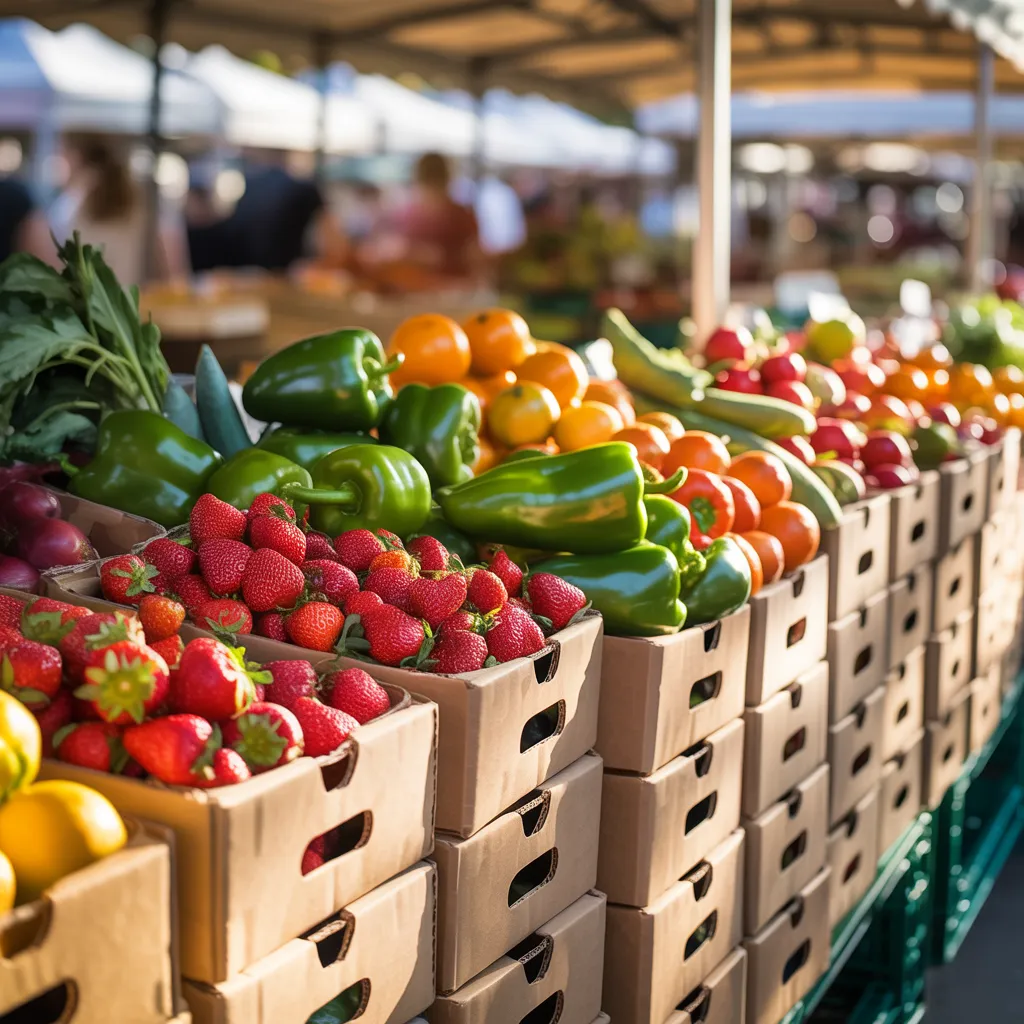
Transport and handling factors play a important role in determining the proper dimensions and form of custom agricultural boxes. The measurements must hold the goods without excessive space, which could result in movement and damage during transit. Compact boxes facilitate easier management, while bigger containers may be necessary for larger products. Additionally, proper design is essential; grips or openings should be deliberately positioned to allow for comfortable lifting and carrying. The structure of the container also impacts stacking and balance, making sure that products remain safe. Ultimately, thorough evaluation of such aspects enhances the productivity of delivery, cuts down goods loss, and supports the overall soundness of the produce from farm to end user.
Maximize Display Space Efficiency
Efficient shelving efficiency depends on selecting the right dimensions and form of tailored fruit and vegetable containers. Designers should take into account the dimensions of the storage racks as well as the types of fruits and vegetables being stored. Rectangular boxes often maximize space efficiency, allowing for easier arrangement and organization. Conversely, unique shapes can enhance aesthetic attractiveness but may lead to unused areas if not carefully planned.
It's important to review the product rotation speed; fast-selling items might leverage smaller, conveniently positioned containers. Moreover, utilizing flexible or customizable designs can facilitate multiple sizes of produce while enhancing display organization. By stressing practical design with visual appeal, enterprises can establish a practical and eye-catching presentation that improves both accessibility and visibility of goods.
How to Produce Images That Seize Attention?
Striking visuals can convert a simple custom produce box into a artistic creation that captures focus. To accomplish this, artists should start by picking a color palette that demonstrates the crispness and vibrancy of the produce. Bold, attention-grabbing colors can trigger emotions of freshness and health, pushing consumers to take a closer look.
Using bold typography is equally important; readable typefaces can successfully convey key details while enhancing aesthetic quality. Additionally, using high-quality images of the produce can establish instant rapport, displaying the product's quality and attracting prospective customers.
Furthermore, introducing unique patterns or illustrations can help differentiate the brand in a busy market. Alignment in graphic components, such as logos and taglines, reinforces brand identity. Ultimately, a blend of inventiveness and precision in design work can greatly elevate the impact of custom produce boxes, making them stand out on shelves.
Eco-Friendly Practices for Custom Produce Box Wrapping
An increasing number of companies are adopting eco-friendly practices for custom produce box packaging, recognizing its importance in today's eco-aware market. These practices often include the use of decomposable materials, such as recycled paper and plant-based plastics, which reduce environmental impact. Companies are also concentrating on sustainable sourcing, ensuring that materials are obtained from responsibly managed forests or suppliers who prioritize environmental stewardship.
In turn, numerous brands are choosing minimalistic designs that reduce waste while still efficiently promoting their products. This approach not only appeals to environmentally aware consumers but also assists with lowering production costs. Moreover, businesses are steadily adopting efficient manufacturing processes that limit energy consumption and waste generation. By incorporating these eco-friendly practices, companies not only improve their brand image but also contribute positively to the planet, aligning their operations with a sustainable future.
Verify Your Made-to-Order Produce Box Design
Testing the layout of personalized vegetable containers is an crucial step in guaranteeing they meet both aesthetic and practical needs. This process typically involves evaluating elements such as durability, size, and user-friendliness. First, prototypes should be created to evaluate the container's structural integrity, making certain it can endure transportation and storage without damaging the products.
Next, usability tests can be performed to determine how effortlessly the boxes can be unlocked, sealed, and stacked. Feedback from prospective customers can be priceless in this stage, providing insights into the box's functionality.
Additionally, the design's visual appeal should be examined through focus groups or surveys, gauging consumer reactions to branding elements, colors, and total visual presentation.
Ultimately, extensive testing enables designers to refine the box, guaranteeing it not only appeals to customers but also properly safeguards and showcases the produce within, maintaining the right balance between form and function.
Advertising Your Bespoke Produce Boxes Successfully
Impactful promotion of custom produce boxes requires a well-planned strategy that highlights their unique features and benefits. Businesses must concentrate on identifying their intended customers, whether they are local farms, grocery stores, or individual consumers. Capitalizing on social networking sites can amplify brand awareness, presenting the boxes' design and practicality through compelling visuals and storytelling.
Moreover, partnering with local influencers or farmers can enhance credibility and broaden audience. Providing special deals or reduced prices during peak seasons can draw initial customers and encourage repeat business.
Moreover, stressing environmental consciousness and green initiatives in advertising content can connect with eco-minded customers. Supplying thorough details about the composition of materials and the positive aspects of personalized packaging options can help differentiate the item in an increasingly competitive landscape.
In the end, a extensive promotional approach that blends internet-based and grassroots undertakings will efficiently promote custom produce boxes, engaging a wide-ranging clientele and driving sales.
Often Requested Questions
What Fees Accompany Custom Produce Box Planning?
Costs associated with custom produce box design include raw materials, printing, workforce expenses, and shipping. Additionally, design services and production minimums can impact overall costs, resulting in different prices based on specific requirements and manufacturing volume.
What Period Is Involved to Produce Made-to-order Boxes?
Manufacturing of tailored boxes generally requires two to six weeks. Important elements affecting this timeframe encompass design complexity, materials availability, and production capacity, all of which can influence shipping timelines and delivery windows.
May I Place an Order for a Small Quantity of Bespoke Produce Boxes?
Yes, small quantities of tailored vegetable containers can generally be purchased. Many suppliers offer base order requirements, allowing companies or people to obtain customized packaging options without having to pledge to substantial volumes at first.
What Frequent Pitfalls Should You Steer Clear Of When Creating Bespoke Packaging?
Common mistakes in custom box design feature neglecting functionality, disregarding brand consistency, underestimating material quality, failing to consider target audience preferences, and neglecting environmental impact. Each aspect is essential for effective packaging and customer satisfaction.
What Measures Should I Take to Guarantee My Boxes Are Food-Safe?
To ensure boxes maintain food-grade standards, individuals must pick compounds approved for food contact, eliminate dangerous inks and adhesives, maintain cleanliness during production, and regularly test for compliance with health regulations and safety standards.